
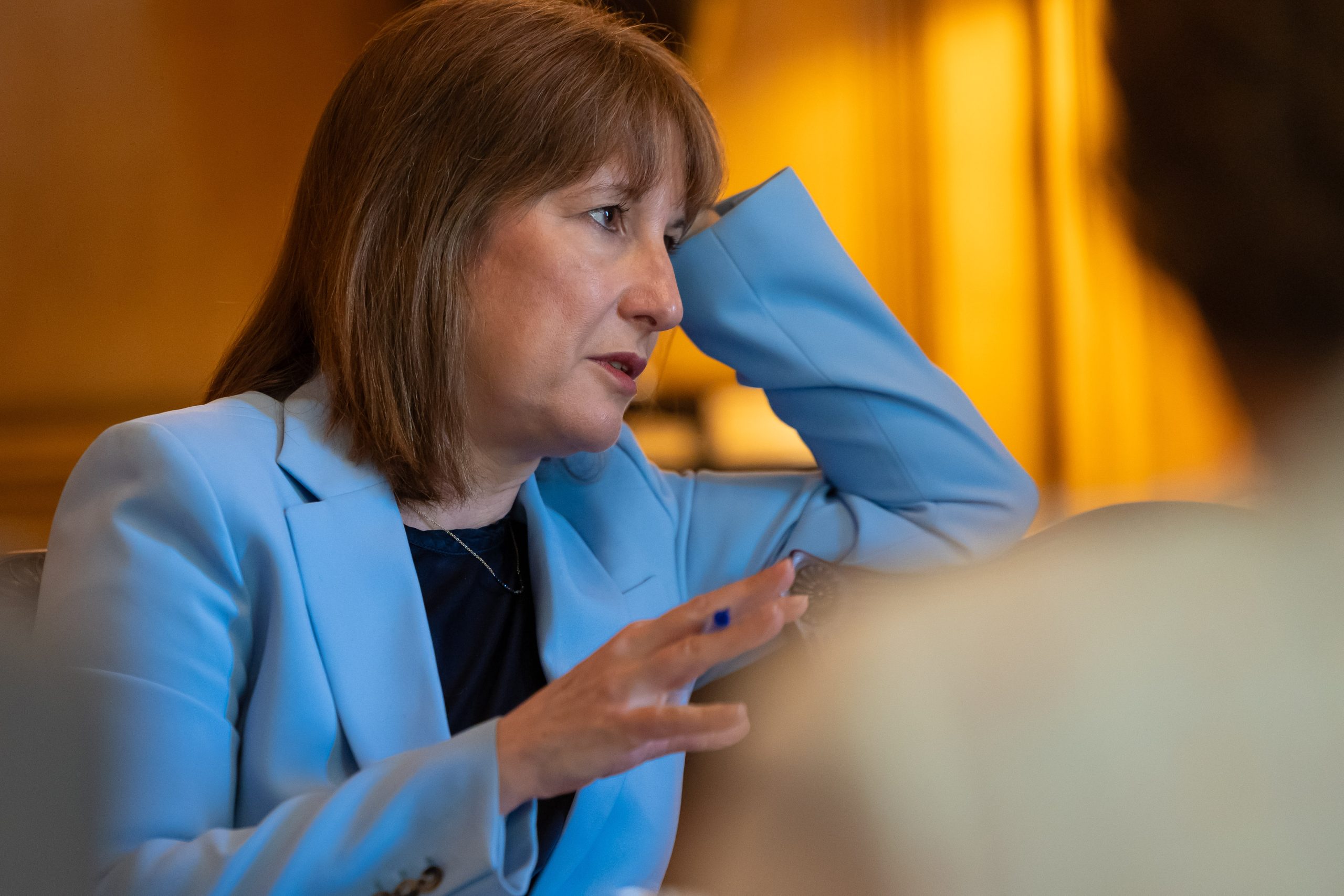
An unprecedented leak by the Office for Budget Responsibility revealed Chancellor Rachel Reeves’ complete budget plans an hour before her parliamentary presentation, exposing £26 billion in planned tax increases and creating immediate turbulence in government bond markets. The premature publication, which the OBR attributed to a “technical error” requiring investigation, allowed investors and opposition politicians to analyze detailed fiscal projections before the chancellor could formally present her case.
Proceeding with her speech despite the chaos, Reeves outlined an ambitious fiscal strategy aimed at repairing public finances while delivering tangible benefits to households facing cost-of-living pressures. The chancellor defended her approach as balanced and necessary, arguing that modest tax contributions from all sectors would enable significant investments in infrastructure and social programs. She emphasized that her budget would reduce inflation while building economic resilience for future challenges.
The budget’s most significant social policy change eliminates the two-child benefit cap, a measure that has generated intense political debate since its introduction. This decision will lift 450,000 children above the poverty line and demonstrates the Labour government’s commitment to addressing inequality despite fiscal constraints. Reeves characterized this as the most substantial reduction in child poverty achievable within a single parliament, satisfying demands from backbench MPs while maintaining fiscal discipline.
Revenue generation relies primarily on a three-year freeze extension for personal tax thresholds, producing £15 billion as wage growth pushes more earners into higher brackets. Additional measures include limiting tax relief on pension contributions to £2,000 from 2029, increasing gambling duties, implementing mileage-based charges for electric vehicles, and introducing a council tax surcharge on luxury properties. The combined effect transforms a projected £4 billion deficit into a substantial £22 billion cushion—significantly exceeding the £9.9 billion buffer maintained in spring—despite reduced productivity forecasts and elevated borrowing costs.
The chancellor announced several measures designed to ease household expenses, including a £150 reduction in energy bills through the elimination of green levies and continued freezes on rail fares, fuel duty, and prescription charges. These interventions should reduce headline inflation by 0.3 percentage points from its current 3.6% level, which remains the highest in the G7 and well above the 2% target. However, economic growth projections reveal ongoing challenges, with 2026 forecasts revised downward to 1.4% from 1.9%, even as government borrowing is expected to decline substantially from 4.5% of GDP currently to 1.9% by the end of the decade.