
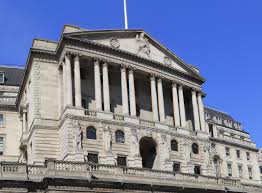
The Bank of England delivered a dual message on Tuesday: the traditional banking system is safe enough to loosen regulations, but the booming artificial intelligence sector poses a growing threat to financial stability. As the Bank announced plans to cut capital requirements for high street lenders, it simultaneously issued a stark warning about the risks associated with the soaring valuations of AI companies.
The Financial Policy Committee (FPC) highlighted that risks to stability have increased throughout 2025. A major concern is the “sharp correction” that could occur if the current AI hype bubble bursts. Tech firms have been taking on substantial debt to build data centers and compete globally. If these asset prices collapse, the deep links between AI firms and credit markets could lead to significant losses for lenders.
Despite these emerging tech risks, Governor Andrew Bailey insists that the core banking system is solid. Stress tests on major players like Santander UK, Nationwide, and Standard Chartered show they can withstand severe economic shocks. This resilience is what allowed the Bank to justify lowering capital reserves by one percentage point, a move intended to free up cash for lending.
The juxtaposition of easing rules for banks while warning about tech debt has raised eyebrows. Sarah Breeden, the deputy governor for financial stability, described the cuts as an “evolution” but cautioned that it would be unwise to reduce benchmarks any further. The implication is that the Bank has gone as far as it dares in deregulating, given the volatile nature of the modern tech-driven economy.
To mitigate future disasters, the Bank is also launching stress tests for the private credit industry. Bailey drew a comparison between the current private credit landscape and the sub-prime mortgage crisis that triggered the 2008 crash. The goal is to identify systemic risks in unregulated sectors before they can infect the broader financial system.