
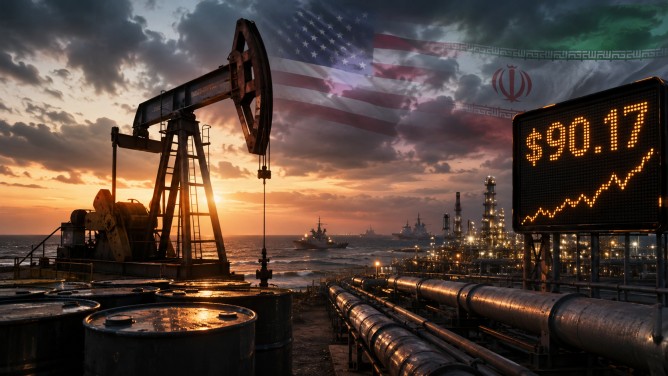
The expiration of a two-month negotiation period between the United States and Iran without reaching a peace agreement has led to a significant rise in oil prices, intensifying concerns about potential disruptions to global energy supplies. Brent crude has surged past the $90 mark, reaching approximately $91.63 per barrel, its highest level since late July. This spike follows US President Donald Trump’s demand for Iran to surrender, coupled with his warning of possible escalation if diplomatic efforts do not succeed.
Amid the heightened tensions, the Strait of Hormuz, a vital artery for global oil shipments, has become a focal point of concern. There has been a noticeable decline in the number of commercial vessels navigating through this strategic waterway, amplifying fears of sustained interruptions in oil transportation. This development raises the prospect of further strain on global oil supplies, potentially exacerbating the upward trajectory of crude prices.
Iran has signaled the possibility of adopting a more assertive military posture should negotiations with the United States collapse. Reports of an attack on a cargo ship transiting through the Strait of Hormuz have further fueled apprehensions about the security of maritime activities in the region. Such incidents underscore the risks associated with the ongoing conflict and its potential to disrupt crucial shipping lanes.
Investors are increasingly bracing for the likelihood of a prolonged disturbance in oil supplies, with any extended closure or diminished traffic through the Strait of Hormuz poised to exert additional upward pressure on crude prices. The situation underscores the broader implications of the Middle East conflict, which, when coupled with the ongoing war in Ukraine, could trigger further volatility in global energy markets and drive oil and gas prices even higher.