
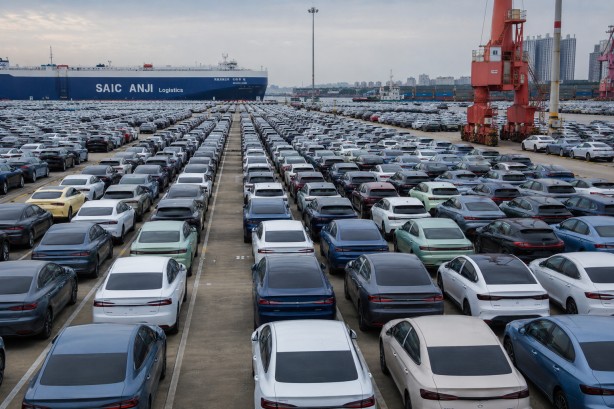
In a relatively short span of time, China has ascended to become the world’s largest market for electric vehicles, a development that has significantly reshaped the global automotive landscape. This rapid expansion, fueled by robust government incentives, substantial local investment, and a surge in consumer demand, has given rise to a multitude of companies eager to stake their claim in the burgeoning sector. These efforts have not only propelled several Chinese automakers to prominence but have also bolstered the country’s leadership in battery technology and sustainable transportation.
Yet, the swift growth of China’s electric vehicle industry has not been without its challenges. The frenetic pace of development has, in some instances, outpaced actual market demand. As a result, automakers have constructed manufacturing facilities with capacities far exceeding current needs, leading to a landscape marked by price wars and mounting financial stress across the sector. This overcapacity has sparked concerns about the sustainability of such rapid expansion and the potential economic risks it may pose.
The competitive environment has intensified as companies engage in aggressive pricing strategies to lure customers and secure a larger market share. This has created a particularly tough climate for smaller firms struggling to keep pace, while larger companies continue to pour resources into technological advancements, production capabilities, and international market expansion.
Recently, Chinese authorities have expressed apprehension regarding the burgeoning issue of overcapacity, cautioning that unbridled growth could lead to economic instability. Industry experts highlight the necessity of finding a balance between fostering innovation and maintaining healthy competition to ensure long-term viability and growth in the sector.
Despite these challenges, China’s dominance in the electric vehicle arena remains unchallenged. Its automakers continue to make significant inroads into global markets, with their influence poised to shape the future of transportation well beyond its borders. As the industry evolves, the focus will likely turn to sustainable practices that can support continued innovation and expansion without sacrificing economic stability.