
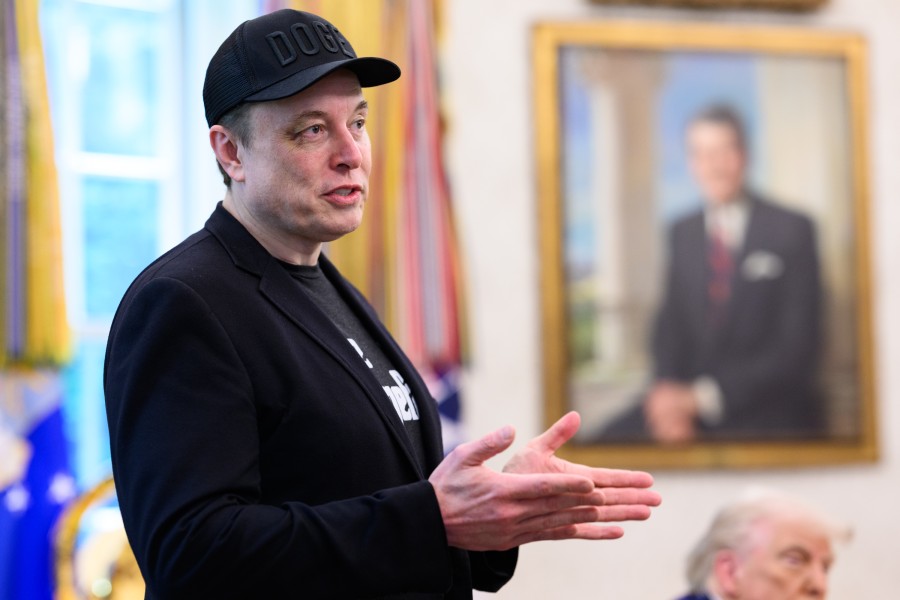
Elon Musk’s financial status has shifted as a decrease in the stock values of Tesla and SpaceX has led to the loss of his trillionaire title. Despite this setback, Musk maintains his position as the world’s wealthiest individual. Previously, he achieved the milestone of becoming the first trillionaire following SpaceX’s significant entry into the stock market, which considerably boosted the value of his investments. This impressive market performance propelled his fortune to surpass the trillion-dollar threshold, heavily reliant on his ownership in these enterprises.
However, the broader decline in the technology market, which included sectors related to artificial intelligence, eventually impacted Musk’s holdings. Factors such as concerns over interest rates, market instability, and apprehensions regarding a potential slowdown in AI investments have collectively contributed to the drop in share prices. Given that Musk’s wealth is predominantly tied to the equity and stocks of his companies, fluctuations in market value have a direct and swift impact on his estimated net worth.
The recent downturn in the market has underscored the volatility that can accompany even the most significant fortunes when they are heavily dependent on stock performance. Nonetheless, a rebound in the share prices of either Tesla or SpaceX could once again elevate Musk’s net worth beyond the trillion-dollar mark. This potential for recovery highlights the ongoing role of his company shares in determining his financial stature.
Despite the recent decline in his wealth, Musk continues to lead the ranks of global billionaires by a significant margin. His financial dominance is still largely driven by the performance and future growth potential of his business ventures. As such, the prospects for Tesla and SpaceX remain critical to maintaining and potentially expanding his vast fortune.